
Managing Vaginal Laxity Without Surgery
A review of non-surgical treatment strategies for vaginal laxity, highlighting current data, clinical insights, and research gaps.
11/30/20253 min read


Non-Surgical Management of Vaginal Laxity: Current Modalities and Evidence
Vaginal laxity (VL) is a condition characterized by a subjective sensation of vaginal looseness, most commonly reported after vaginal childbirth, aging, or hormonal changes. Although not formally defined as a disease entity, vaginal laxity has been associated with reduced sexual satisfaction, altered vaginal sensation, and diminished quality of life.
Despite its prevalence, vaginal laxity remains under-diagnosed, largely due to patient hesitancy and lack of standardized diagnostic criteria. As demand for conservative and minimally invasive interventions grows, non-surgical management options—particularly energy-based therapies—have gained attention in clinical practice.

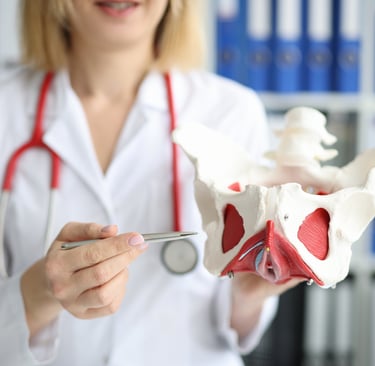
Pathophysiology of Vaginal Laxity
Vaginal laxity is thought to result from:
Stretching and disruption of vaginal connective tissue
Reduced collagen and elastin density
Altered vaginal wall architecture following childbirth
Age-related decline in tissue elasticity
Histological studies suggest that changes in collagen type I and III ratios and elastin fibers contribute to reduced vaginal tone and resilience, forming the biological basis for interventions aimed at tissue remodeling rather than excision or reconstruction.
Non-Surgical Treatment Modalities
1. Pelvic Floor Muscle Training (PFMT)
PFMT is traditionally recommended as first-line conservative therapy. While PFMT primarily targets muscular support rather than vaginal wall tissue, improvements in pelvic floor tone may indirectly improve the sensation of tightness.
Evidence Summary
Clinical trials show PFMT may improve sexual function scores in women reporting vaginal laxity.
However, PFMT alone does not directly address vaginal mucosal or connective tissue remodeling.
Outcomes are highly dependent on patient compliance and correct technique.
PFMT remains a low-risk option but may be insufficient for patients seeking direct vaginal tissue tightening.
Radiofrequency (RF) Therapy: Firmness with Precision
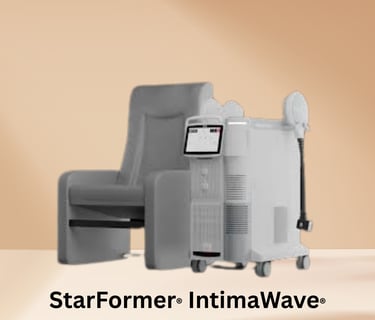
Radiofrequency devices work by delivering controlled thermal energy to the vaginal tissues. This energy triggers:
Collagen contraction and tightening
New collagen and elastin formation
Improved tissue firmness and elasticity over time
Why this matters for patients:
Studies show improvements in patient-reported vaginal tightness and sexual satisfaction
Minimal downtime—patients can return to daily activities immediately
Safe and well-tolerated when applied per protocol
Clinically, RF therapy is ideal for women seeking a minimally invasive solution that addresses the root tissue changes associated with vaginal laxity.
Laser Therapy: Rejuvenation Without Surgery
Laser technologies, including fractional CO₂ lasers and non-ablative Er:YAG lasers, have revolutionized how we approach VL.
How it works:
Fractional CO₂ lasers create microthermal zones that stimulate collagen remodeling
Er:YAG lasers deliver controlled heat without ablating the surface, reducing disruption and downtime
Clinical highlights:
Observational studies and small trials report improved vaginal tightness, mucosal quality, and sexual function
Office-based, minimally invasive, and generally painless
Can be tailored to individual patient needs for optimal outcomes
Why Non-Surgical Options Are Gaining Momentum
Minimally invasive: Avoids surgical risks and long recovery
Convenient: Office-based, low discomfort, and minimal downtime
Patient-focused: Improves confidence, sexual function, and quality of life
Repeatable: Treatments can be repeated periodically for sustained results
By combining RF or laser therapy with pelvic floor exercises, clinicians can offer a comprehensive, evidence-informed approach to VL.
Practical Considerations for Clinicians
Confirm patient-reported symptoms and expectations
Rule out concurrent pelvic floor disorders
Use validated sexual function questionnaires to track outcomes
Counsel patients about realistic expectations and maintenance protocols
Even though high-quality randomized trials are limited, clinical experience shows strong patient satisfaction and meaningful symptomatic improvement, making these therapies an attractive non-surgical alternative.
Conclusion
Non-surgical management of vaginal laxity has evolved rapidly. With radiofrequency and laser therapies, clinicians now have safe, effective, and patient-friendly tools to address VL—without surgery. These options are helping women regain confidence, enhance sexual satisfaction, and improve quality of life, all from the comfort of the office.
Reviewed By:
Dr Thilagavathi Ganesh
Clinical Research Team
Spectra Medical


Spectra Athenova is a specialized healthcare solutions division by Spectra Medical, dedicated to advancing science-led innovations in aesthetics, dermatology, and anti-aging medicine. With a strong focus on clinical intelligence, education, and evidence-based technologies, Spectra Athenova partners with healthcare professionals to elevate patient outcomes and shape the future of aesthetic medicine.
Spectra Athenova
Miscellaneous